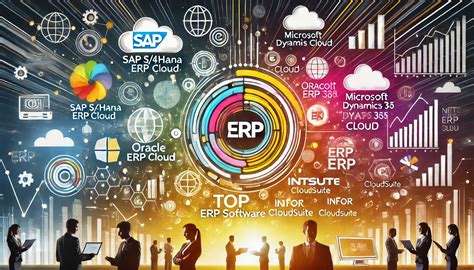
ERP Solutions in the UAE: Streamlining Business Operations for Success
Welcome to the world of ERP solutions in the UAE, where businesses are finding innovative ways to streamline their operations for ultimate success. In a rapidly evolving market landscape, companies are turning to ERP systems to enhance efficiency, improve decision-making, and drive growth. By integrating various business functions into a centralized platform, ERP solutions are revolutionizing the way organizations operate in the UAE.
ERP Implementation in the UAE
Implementing an ERP system in the UAE can be a complex process that requires careful planning and execution. With the rapid growth of businesses in the region, there is a growing demand for efficient and integrated systems to manage operations effectively. Companies in the UAE are increasingly turning to ERP solutions to streamline their processes, improve productivity, and drive growth.
One of the key challenges of ERP implementation in the UAE is the diversity of businesses operating in the region. From small startups to large multinational corporations, each organization has its own unique set of requirements and objectives. This diversity means that a one-size-fits-all approach to ERP implementation is not feasible. Instead, companies need to customize their ERP systems to meet their specific needs and align with their business goals.
Another challenge of ERP implementation in the UAE is the cultural and organizational differences that can impact the success of the project. The UAE is a melting pot of nationalities and cultures, which can lead to communication barriers and misunderstandings during the implementation process. Companies need to take these factors into account and ensure that all stakeholders are on the same page to prevent any friction that could derail the project.
Despite these challenges, companies in the UAE stand to benefit greatly from ERP implementation. An ERP system can centralize data, automate processes, and provide real-time insights into business operations. This level of visibility and control can help companies make informed decisions, identify opportunities for growth, and improve overall efficiency.
When embarking on an ERP implementation project in the UAE, companies should start by defining their goals and objectives. This involves conducting a thorough analysis of their current processes and identifying areas that can be improved through the implementation of an ERP system. By clearly articulating their goals, companies can ensure that all stakeholders are aligned and working towards a common objective.
Once the goals have been defined, companies should carefully select an ERP vendor that can meet their specific requirements. It’s essential to choose a vendor with a proven track record of successful implementations and a deep understanding of the local business landscape in the UAE. By selecting the right vendor, companies can ensure that the implementation process is smooth and successful.
Finally, companies should invest in comprehensive training and change management to ensure the successful adoption of the ERP system. Employees need to be trained on how to use the new system effectively and understand the benefits it can bring to their day-to-day work. Change management strategies can help employees embrace the new system and overcome any resistance to change.
In conclusion, ERP implementation in the UAE presents both challenges and opportunities for businesses. By carefully planning and executing their ERP projects, companies can streamline their operations, improve productivity, and drive growth in the competitive business landscape of the UAE.
Key ERP Trends in the UAE
Enterprise Resource Planning (ERP) systems are playing an increasingly important role in the business landscape of the UAE. As technology continues to evolve, organizations in the UAE are adopting ERP solutions to streamline their operations and improve efficiency. Here are some key ERP trends that are shaping the UAE’s business environment:
1. Cloud-based ERP: One of the most significant trends in the UAE is the shift towards cloud-based ERP solutions. Cloud ERP offers scalability, flexibility, and cost-effectiveness, making it an attractive option for companies of all sizes. With cloud ERP, organizations in the UAE can access their data from anywhere, at any time, and on any device, providing real-time visibility into their operations.
2. Industry-specific ERP solutions: Another trend that is gaining traction in the UAE is the adoption of industry-specific ERP solutions. Rather than opting for generic ERP systems, organizations are now looking for solutions that are tailored to their specific industry requirements. For example, construction companies in the UAE are turning to ERP systems that offer features such as project management, resource planning, and compliance tracking specific to the construction industry.
3. Mobile ERP: Mobile ERP is also becoming increasingly popular in the UAE. With the rise of smartphones and tablets, employees in the UAE are expecting to access ERP systems on the go. Mobile ERP solutions enable users to access important business information, perform tasks, and make decisions from their mobile devices. This flexibility allows organizations in the UAE to stay connected and make informed decisions even when they are away from the office.
4. Integration with emerging technologies: The UAE is known for embracing cutting-edge technologies, and ERP systems are no exception. Organizations in the UAE are integrating their ERP systems with emerging technologies such as artificial intelligence, machine learning, and Internet of Things (IoT) to enhance automation, decision-making, and operational efficiency. By leveraging these technologies, organizations in the UAE can gain a competitive edge and stay ahead of the curve.
5. Focus on data security and compliance: With the increasing reliance on digital data, data security and compliance have become top priorities for organizations in the UAE. ERP vendors are responding to this trend by enhancing their solutions with robust security features and compliance controls. Organizations in the UAE are looking for ERP systems that not only improve efficiency but also ensure the safety and confidentiality of their data in compliance with local regulations.
In conclusion, the UAE’s ERP landscape is evolving rapidly, driven by technological advancements and changing business needs. By staying abreast of these key ERP trends, organizations in the UAE can position themselves for success in today’s competitive market.
Benefits of ERP for Businesses in the UAE
ERP (Enterprise Resource Planning) systems offer numerous advantages for businesses in the UAE. From streamlining processes to enhancing decision-making capabilities, ERP solutions can transform the way organizations operate. Here are some of the key benefits of implementing an ERP system in the UAE:
1. Increased Efficiency
One of the main advantages of using an ERP system is the increase in efficiency that it brings to businesses. By automating repetitive tasks, integrating various processes, and providing real-time data access, ERP software helps streamline operations and reduce manual errors. This efficiency boost allows employees to focus on more strategic tasks, leading to improved productivity and overall performance.
2. Enhanced Collaboration
ERP systems facilitate better communication and collaboration within organizations. With all departments working on a single platform and accessing the same data in real-time, decision-making becomes quicker and more effective. This seamless flow of information across different departments fosters better teamwork, coordination, and ultimately, better outcomes for the business.
3. Improved Customer Service and Satisfaction
One of the lesser-known benefits of ERP systems is their impact on customer service and satisfaction. With a centralized database containing customer information, interactions, and purchase history, businesses can deliver more personalized and efficient service to their customers. This leads to increased customer satisfaction, loyalty, and ultimately, higher retention rates.
Furthermore, ERP systems allow businesses to track and analyze customer behavior, preferences, and feedback, enabling them to anticipate needs and tailor their products or services accordingly. This proactive approach to customer service helps businesses stay ahead of the competition and build long-lasting relationships with their customers.
In conclusion, ERP systems offer numerous benefits for businesses in the UAE, ranging from improved efficiency and collaboration to enhanced customer service and satisfaction. By investing in an ERP solution, organizations can streamline their operations, make informed decisions, and ultimately, achieve sustainable growth and success in the competitive market.
Challenges of ERP Adoption in the UAE
Implementing an Enterprise Resource Planning (ERP) system in any organization can be a daunting task, and this holds true for businesses in the UAE as well. There are several challenges that companies in the UAE face when adopting ERP systems, which can hinder the successful implementation and utilization of these systems.
1. Cultural Differences:
One of the major challenges faced by organizations in the UAE when adopting ERP systems is the cultural differences that exist within the workforce. The UAE is a diverse country with a large expatriate population, which can lead to challenges in communication and collaboration when implementing an ERP system. It is important for organizations to address these cultural differences and ensure that all employees are on the same page when it comes to using the ERP system.
2. Resistance to Change:
Resistance to change is a common challenge faced by organizations worldwide, and the UAE is no exception. Employees may be resistant to adopting new technologies and processes, especially if they have been using manual methods for a long time. It is important for organizations to communicate the benefits of adopting an ERP system and provide proper training and support to help employees adapt to the changes.
3. Data Security Concerns:
Data security is a major concern for organizations in the UAE, especially in light of increasing cyber threats and regulations such as the GDPR. When implementing an ERP system, companies need to ensure that their data is secure and compliant with regulations. This can be a challenge, especially for organizations that handle sensitive data or operate in highly regulated industries.
4. Lack of Skilled IT Professionals:
One of the key challenges faced by organizations in the UAE when adopting ERP systems is the lack of skilled IT professionals. The demand for IT talent in the UAE is high, but there is a shortage of professionals with the necessary skills and experience to implement and manage ERP systems effectively. This can delay the implementation process and hinder the successful adoption of ERP systems.
In conclusion, while there are several challenges that organizations in the UAE face when adopting ERP systems, it is important for companies to address these challenges proactively and invest in proper training and support to ensure the successful implementation and utilization of ERP systems.
Future of ERP Technology in the UAE
Enterprise Resource Planning (ERP) systems have become an essential tool for businesses in the UAE looking to streamline their operations and improve efficiency. As technology continues to advance at a rapid pace, the future of ERP technology in the UAE looks promising. Here are some key trends and developments to look out for:
1. Cloud-based ERP Solutions: Cloud technology has revolutionized the way businesses manage their operations, and ERP systems are no exception. In the UAE, more and more companies are moving towards cloud-based ERP solutions due to their flexibility, scalability, and cost-effectiveness. This trend is expected to continue in the future, with cloud ERP systems becoming the norm for businesses of all sizes.
2. AI and Machine Learning Integration: Artificial Intelligence (AI) and Machine Learning are already making waves in various industries, and ERP systems are no exception. In the UAE, we can expect to see more ERP solutions incorporating AI and machine learning capabilities to automate repetitive tasks, improve decision-making processes, and provide valuable insights to businesses.
3. Mobile ERP Applications: With the rise of remote work and the increasing use of mobile devices, mobile ERP applications are becoming more popular in the UAE. This trend is expected to grow in the future, with more businesses adopting mobile ERP solutions to access real-time information, approve workflows, and collaborate with team members no matter where they are.
4. Integration with IoT: The Internet of Things (IoT) has the potential to transform how businesses operate, and ERP systems are no exception. In the UAE, we can expect to see more ERP solutions integrating with IoT devices to gather real-time data, automate processes, and improve decision-making. This integration will enable businesses to have a more holistic view of their operations and make more informed decisions.
5. Enhanced Data Security Measures: As businesses in the UAE continue to digitize their operations, data security has become a top priority. In the future, we can expect ERP vendors to invest heavily in enhancing data security measures to protect sensitive information and prevent cyber threats. This may include advanced encryption techniques, multi-factor authentication, and regular security audits to ensure that ERP systems are secure against potential cyber attacks.
In conclusion, the future of ERP technology in the UAE looks bright, with cloud-based solutions, AI integration, mobile applications, IoT connectivity, and enhanced data security measures leading the way. Businesses that embrace these trends and invest in modern ERP systems will have a competitive edge in the rapidly evolving business landscape of the UAE.