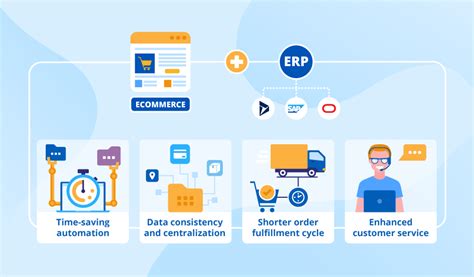
Welcome to the world of seamless integration between ecommerce and ERP systems! If you’re a business owner looking to streamline your operations and improve efficiency, you’ve come to the right place. By combining the power of ecommerce platforms with ERP systems, you can elevate your business to new heights. In this article, we’ll explore the benefits of integrating these two systems and provide you with valuable tips on how to make the process smooth and effective. Let’s dive in!
The Benefits of Integrating Ecommerce with ERP
Integrating ecommerce with ERP systems can provide numerous benefits for businesses looking to streamline their operations and improve efficiency. By connecting these two vital components of a company’s technology stack, organizations can experience increased automation, enhanced data accuracy, and improved customer service.
One of the key benefits of integrating ecommerce with ERP is the ability to automate processes and eliminate manual tasks. This automation can save employees valuable time by reducing the need for manual data entry and reconciliation. For example, when a customer places an order on an ecommerce website, the integration with the ERP system can automatically update inventory levels, generate invoices, and track shipments without any human intervention. This not only saves time but also reduces the risk of errors that can occur with manual data entry.
Another significant benefit of integrating ecommerce with ERP is the improved data accuracy that comes from having a single source of truth for all business information. By connecting these systems, businesses can ensure that their ecommerce platform is always up-to-date with the latest product information, pricing, and inventory levels from the ERP system. This eliminates the need for manual data syncing between the two systems, reducing the risk of data discrepancies and ensuring that customers always have access to the most accurate information.
Integrating ecommerce with ERP can also lead to improved customer service by providing a more seamless shopping experience. When these systems are connected, customers can have real-time access to their order status, shipping information, and product availability. This enhanced visibility can help businesses provide better customer support and quickly address any issues that may arise during the purchasing process. Additionally, by integrating customer data from the ERP system with the ecommerce platform, businesses can personalize the shopping experience and offer targeted promotions based on past purchases and preferences.
Furthermore, integrating ecommerce with ERP can provide valuable insights into business performance by consolidating data from multiple systems into a single source. By connecting ecommerce sales data with financial information, inventory levels, and customer data, businesses can gain a holistic view of their operations and make more informed decisions. This comprehensive view can help businesses identify trends, optimize inventory management, and streamline operations to improve overall efficiency and profitability.
In conclusion, the benefits of integrating ecommerce with ERP are clear. By automating processes, improving data accuracy, enhancing customer service, and providing valuable insights into business performance, businesses can streamline operations, reduce manual tasks, and increase efficiency. As technology continues to evolve, integrating these essential systems will become increasingly important for businesses looking to stay competitive in today’s digital marketplace.
Seamless Data Synchronization between Ecommerce and ERP
Integrating ecommerce with ERP systems is crucial for businesses looking to streamline their operations and provide a better customer experience. One of the key components of a successful integration is seamless data synchronization between the two systems. This ensures that data flows effortlessly between the ecommerce platform and ERP system, eliminating manual data entry and minimizing errors.
When data is synchronized seamlessly, orders placed on the ecommerce platform are automatically transferred to the ERP system, triggering the fulfillment process without any human intervention. This not only speeds up order processing but also reduces the risk of errors that can occur when orders are manually transferred between systems.
Product information is another critical data point that needs to be synchronized between the ecommerce platform and ERP system. When a product is added or updated in the ERP system, it should automatically reflect on the ecommerce platform, ensuring that customers have accurate and up-to-date information about the products they are purchasing. This synchronization helps to avoid discrepancies in pricing, inventory levels, and product descriptions, which can lead to customer dissatisfaction and lost sales.
Inventory management is also a key area where seamless data synchronization between ecommerce and ERP systems is essential. When a customer places an order on the ecommerce platform, the inventory levels in the ERP system should be automatically updated to reflect the sale. This real-time inventory tracking helps prevent overselling, stockouts, and backorders, allowing businesses to fulfill orders in a timely manner and maintain customer satisfaction.
Customer data is another important piece of information that needs to be synchronized between ecommerce and ERP systems. When a customer creates an account or updates their information on the ecommerce platform, that data should be seamlessly integrated into the ERP system to provide a complete view of the customer across all touchpoints. This unified customer data enables businesses to deliver personalized experiences, targeted marketing campaigns, and better customer service.
In conclusion, seamless data synchronization between ecommerce and ERP systems is essential for businesses looking to optimize their operations, improve efficiency, and enhance the customer experience. By automating the flow of data between these two systems, businesses can reduce manual work, minimize errors, and ensure that accurate and up-to-date information is available across all channels. Investing in a reliable integration solution that offers seamless data synchronization capabilities can help businesses stay competitive in today’s fast-paced ecommerce landscape.
Streamline Order Processing with Ecommerce-ERP Integration
Integrating your ecommerce platform with your ERP system can significantly streamline your order processing operations. By syncing these two crucial systems, you enable seamless communication between your online storefront and your internal processes, ensuring that orders are efficiently managed from start to finish.
One of the key benefits of integrating ecommerce with ERP is the automation of order entry. When a customer places an order on your website, the information is automatically pushed to your ERP system, eliminating the need for manual data entry. This not only saves time but also reduces the risk of errors that can occur when transferring information between systems manually.
Moreover, integrating ecommerce with ERP allows for real-time inventory updates. When an order is placed on your website, the system immediately updates your inventory levels in the ERP system, ensuring that you always have accurate information on stock availability. This not only prevents overselling but also enables you to make more informed decisions about restocking and inventory management.
Another advantage of integrating ecommerce with ERP is the ability to track orders and shipments more effectively. With both systems working together, you can easily monitor the status of each order, from processing to fulfillment to delivery. This visibility helps you identify any bottlenecks or delays in the order fulfillment process and take proactive measures to address them, enhancing the overall customer experience.
Additionally, integrating ecommerce with ERP enables better data visibility and reporting. By consolidating all order and customer data in one system, you can gain valuable insights into your sales performance, customer behavior, and inventory turnover. This data can guide strategic decision-making, helping you optimize your operations, improve customer satisfaction, and drive business growth.
In conclusion, integrating ecommerce with ERP is a powerful solution for streamlining order processing and enhancing operational efficiency. By automating order entry, updating inventory in real time, tracking orders and shipments, and gaining valuable insights through data visibility, you can improve the overall customer experience, drive sales, and grow your business. So, if you want to take your ecommerce operations to the next level, consider integrating your ecommerce platform with your ERP system today.
Improving Customer Experience through Ecommerce-ERP Integration
Integrating ecommerce with ERP systems can significantly improve the overall customer experience. By connecting these two crucial business systems, companies can streamline operations, enhance efficiency, and ultimately provide a seamless shopping experience for their customers.
One of the key benefits of integrating ecommerce with ERP is the ability to provide real-time inventory updates. This means that customers can see the availability of products in stock, accurate pricing, and delivery times right on the ecommerce platform. This transparency builds trust with customers and reduces the chances of errors or delays in fulfilling orders.
Another advantage of integrating ecommerce with ERP is the ability to provide personalized shopping experiences. By linking customer data from the ERP system with the ecommerce platform, companies can offer tailored product recommendations, special discounts, and promotions based on past purchase behavior. This not only enhances the customer experience but also increases the chances of repeat purchases and customer loyalty.
Furthermore, integrating ecommerce with ERP allows for a more efficient order management process. Orders placed on the ecommerce platform are seamlessly transferred to the ERP system, where they can be processed, fulfilled, and shipped out quickly. This reduces the chances of errors in order processing and ensures that customers receive their purchases in a timely manner.
Moreover, integrating ecommerce with ERP enables companies to provide better customer support. Customer service representatives can access real-time order information, customer history, and inventory levels directly from the ERP system, allowing them to resolve issues quickly and efficiently. This level of responsiveness not only improves customer satisfaction but also helps in building a positive brand reputation.
In conclusion, integrating ecommerce with ERP systems is a strategic move that can greatly enhance the customer experience. By connecting these two critical business systems, companies can provide real-time inventory updates, personalized shopping experiences, efficient order management, and superior customer support. This integration not only streamlines operations but also builds trust, loyalty, and satisfaction among customers, ultimately leading to business growth and success.
Enhancing Inventory Management with Ecommerce-ERP Integration
Inventory management is a critical aspect of running a successful ecommerce business. By integrating your ecommerce platform with an Enterprise Resource Planning (ERP) system, you can streamline your inventory management processes and improve overall efficiency.
One of the key benefits of integrating ecommerce with ERP is real-time inventory tracking. With a centralized system that connects your ecommerce platform with your inventory database, you can easily monitor stock levels, track sales, and receive alerts when inventory is running low. This real-time visibility allows you to make informed decisions about restocking inventory, reducing the risk of stockouts and lost sales.
Additionally, integrating ecommerce with ERP can help you automate inventory management tasks. By setting up automated workflows and alerts, you can streamline processes such as order fulfillment, stock replenishment, and inventory transfers. This not only saves time and reduces human error but also ensures that your inventory levels are always up-to-date and accurate.
Furthermore, ecommerce-ERP integration enables you to synchronize data across all your sales channels. Whether you are selling products through your online store, marketplaces, or brick-and-mortar stores, a unified system allows you to manage inventory levels, pricing, and promotions consistently across all channels. This ensures a seamless and cohesive shopping experience for your customers, regardless of where they make a purchase.
Another advantage of integrating ecommerce with ERP is improved forecasting and planning. By analyzing sales data, trends, and customer behavior from your ecommerce platform and other sales channels, you can make more accurate inventory forecasts and strategic decisions. This insight allows you to optimize inventory levels, reduce excess stock, and better allocate resources to meet customer demand.
Moreover, integrating ecommerce with ERP can provide valuable insights into your supply chain and vendor relationships. By tracking supplier performance, lead times, and costs through your ERP system, you can make informed decisions about inventory replenishment, negotiate better terms with suppliers, and improve overall supply chain efficiency.
In conclusion, integrating ecommerce with ERP offers numerous benefits for enhancing inventory management in your ecommerce business. From real-time inventory tracking and automated workflows to synchronized data across sales channels and improved forecasting, the integration of these systems can help you streamline processes, reduce costs, and make better-informed decisions. By leveraging the power of technology and data, you can optimize inventory management and drive growth in your ecommerce business.