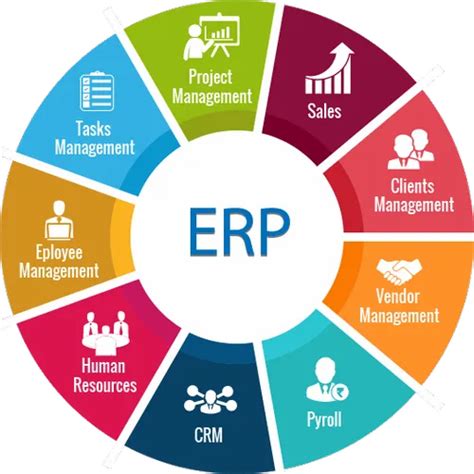
The benefits of using Web Based ERP Software
Welcome to the world of Web Based ERP Software, where convenience meets efficiency in managing your business operations! Whether you are a small start-up or a large corporation, utilizing web-based ERP software can bring a plethora of benefits to your organization. From streamlined processes to real-time data access, this modern technology can help enhance productivity and decision-making for your business. Say goodbye to outdated systems and hello to a more organized and profitable future with web-based ERP software!
Advantages of Web Based ERP Software
Web Based ERP software offers numerous advantages for businesses looking to streamline their operations and improve efficiency. One of the key benefits of using web-based ERP software is the accessibility it provides. With a web-based ERP system, employees can access important business data and tools from anywhere with an internet connection. This means that employees can work remotely or on-the-go, improving productivity and flexibility in the workplace. Additionally, web-based ERP software allows businesses to easily scale their operations as they grow, without the need for expensive hardware upgrades or complex installations.
Another advantage of web-based ERP software is its cost-effectiveness. Traditional ERP systems often require significant upfront investments in hardware and software licenses, as well as ongoing maintenance costs. Web-based ERP software, on the other hand, typically operates on a subscription-based model, which can be more affordable for small and medium-sized businesses. Additionally, web-based ERP software eliminates the need for on-premise servers and IT infrastructure, saving businesses money on maintenance and support costs.
Web-based ERP software also offers greater flexibility and customization options than traditional on-premise systems. With web-based ERP software, businesses can easily add or remove modules as needed, and customize the system to fit their specific business processes. This flexibility allows businesses to tailor their ERP system to meet their unique needs, and adapt to changing market conditions more quickly and easily. Additionally, web-based ERP software is often more user-friendly and intuitive than traditional ERP systems, making it easier for employees to learn and use the system effectively.
One of the key advantages of web-based ERP software is its ability to integrate with other business systems and applications. Web-based ERP software can easily connect with third-party software solutions, such as CRM, e-commerce, and accounting systems, allowing businesses to streamline their operations and improve data visibility across the organization. This integration can help businesses make more informed decisions, improve collaboration between departments, and increase overall efficiency and productivity.
In conclusion, web-based ERP software offers numerous advantages for businesses looking to improve efficiency, flexibility, and scalability. With its accessibility, cost-effectiveness, flexibility, and integration capabilities, web-based ERP software can help businesses streamline their operations, increase productivity, and drive growth in today’s fast-paced business environment.
Key Features to Look for in Web Based ERP Software
When choosing a web-based ERP software for your business, it is important to consider the key features that will best suit your organization’s needs. Here are the top features to look for when evaluating different ERP software options:
1. Cloud-based Technology
Cloud-based technology allows for easy access to the ERP system from any location with an internet connection. This means that employees can work remotely and access real-time data, leading to increased collaboration and productivity. Additionally, cloud-based ERP software typically offers lower upfront costs and reduced IT maintenance requirements.
2. Scalability
One of the most important features to look for in web-based ERP software is scalability. As your business grows, you want a software solution that can grow with you. Scalability refers to the software’s ability to handle an increasing amount of data, users, and transactions without compromising performance. Make sure you choose a system that can easily adapt to the changing needs of your business without requiring a complete system overhaul.
Scalability also includes the ability to add or remove modules as your business needs evolve. You want a web-based ERP system that is flexible enough to accommodate new functionalities without disrupting your existing processes. This ensures that your investment in ERP software will continue to provide value as your business expands and changes over time.
Additionally, scalability is crucial for handling seasonal fluctuations in demand or sudden growth spurts. Your ERP software should be able to seamlessly accommodate increased activity without causing delays or crashes. This will allow your business to operate smoothly during peak periods and maintain high levels of customer satisfaction.
3. Customization Options
Every business is unique, with its own set of processes, workflows, and requirements. Look for web-based ERP software that offers customization options to tailor the system to your specific needs. This includes the ability to add custom fields, create unique workflows, and configure the user interface to match your company’s branding and design aesthetic.
Customization options also enable you to integrate third-party applications and tools with your ERP system, enhancing its functionality and providing a more comprehensive solution for your business. This flexibility allows you to build a customized ERP system that aligns with your business objectives and drives greater efficiency and productivity.
4. Mobile Accessibility
In today’s fast-paced business environment, employees need access to critical information on the go. Look for web-based ERP software that offers mobile accessibility, allowing users to access the system from their smartphones or tablets. Mobile capabilities enable employees to stay connected and productive, even when they are not in the office. This leads to improved collaboration, faster decision-making, and increased efficiency across the organization.
Cloud vs On-Premises: Choosing the Right Web Based ERP Software
When it comes to choosing the right web-based ERP software for your business, one of the key decisions you’ll need to make is whether to go with a cloud-based solution or an on-premises solution. Both options have their own set of advantages and disadvantages, so it’s important to carefully consider what will work best for your organization’s specific needs.
Cloud-based ERP software is hosted on the vendor’s servers and accessed through a web browser, which means you don’t need to invest in expensive hardware or IT infrastructure. This can be a cost-effective solution for small to medium-sized businesses that don’t have the resources to set up and manage their own servers. In addition, cloud-based ERP software typically offers more flexibility in terms of scalability, allowing you to easily add or remove users as your business grows or changes.
On the other hand, on-premises ERP software is installed and hosted on servers located on-site at your company’s location. While this option may require a larger upfront investment in hardware and IT resources, it can provide greater control and customization capabilities. With on-premises ERP software, you have direct access to your data and can customize the system to meet your specific business requirements.
When deciding between cloud-based and on-premises ERP software, it’s important to consider factors such as cost, security, scalability, and customization. Cloud-based solutions often have lower upfront costs and are easier to scale, but some businesses may have concerns about the security of their data being stored off-site. On the other hand, on-premises solutions may offer greater control and customization options, but require a larger initial investment and ongoing maintenance costs.
Ultimately, the best choice for your business will depend on your specific needs and priorities. If you’re looking for a cost-effective, scalable solution that doesn’t require a large upfront investment, a cloud-based ERP software may be the right choice for you. However, if you require greater control and customization capabilities, and are willing to invest in the necessary hardware and IT resources, an on-premises solution may be a better fit.
Regardless of which option you choose, it’s important to carefully evaluate the features and capabilities of different web-based ERP software solutions to ensure that you select the one that best meets your business needs. By taking the time to weigh the pros and cons of cloud-based and on-premises ERP software, you can make an informed decision that will set your business up for success in the long run.
Integration with Other Business Applications in Web Based ERP Software
One of the key benefits of using web-based ERP software is its ability to seamlessly integrate with other business applications. This integration allows for a more streamlined and efficient workflow, as data can easily be shared across different departments and systems.
For example, a web-based ERP system can easily integrate with CRM (customer relationship management) software, allowing for a more complete view of customer interactions and transactions. This integration can help sales teams better understand customer needs and preferences, leading to more personalized and targeted marketing campaigns.
Additionally, web-based ERP software can also integrate with supply chain management systems, helping businesses track inventory levels, monitor supplier performance, and optimize the procurement process. This integration can lead to cost savings and improved efficiency in the overall supply chain operations.
Moreover, web-based ERP software can integrate with financial management applications, allowing for better financial planning, budgeting, and forecasting. This integration can help businesses make more informed decisions based on real-time financial data, ultimately leading to improved profitability and sustainability.
Furthermore, web-based ERP software can integrate with human resource management systems, simplifying processes such as payroll, employee scheduling, and performance evaluation. This integration can help HR departments better manage their workforce and ensure compliance with labor laws and regulations.
In conclusion, the integration capabilities of web-based ERP software with other business applications are crucial for businesses looking to streamline operations, improve decision-making, and drive growth. By seamlessly connecting different systems and departments, web-based ERP software can help businesses achieve greater efficiency, productivity, and competitiveness in today’s fast-paced business environment.
Implementing and Customizing Web Based ERP Software for Your Business
When it comes to implementing and customizing web-based ERP software for your business, there are a few key considerations to keep in mind. First and foremost, it’s essential to have a clear understanding of your business processes and requirements. This will help you determine which features and functionalities are most important for your organization.
Once you have identified your needs, you can begin the process of selecting a web-based ERP software solution that aligns with your goals. It’s important to consider factors such as scalability, flexibility, and ease of use when evaluating different options. Additionally, you should also take into account the level of support and training that will be provided by the software vendor.
After selecting a software solution, the next step is to customize the ERP system to meet the specific needs of your business. This may involve configuring settings, creating custom reports, or integrating the software with other systems. It’s important to work closely with the software vendor during this process to ensure that the customization is implemented correctly and efficiently.
Customizing a web-based ERP software system can help streamline your business processes, improve efficiency, and provide valuable insights into your operations. By tailoring the software to meet your unique requirements, you can ensure that it meets the specific needs of your organization and helps you achieve your business goals.
One of the key benefits of web-based ERP software is its ability to adapt and grow with your business. As your organization evolves and expands, you can easily scale the software to accommodate changes in your operations. This flexibility is essential for businesses looking to stay competitive in today’s fast-paced, ever-changing market.
Overall, implementing and customizing web-based ERP software for your business can be a complex process, but with careful planning and the right support, it can yield significant benefits for your organization. By taking the time to understand your business needs, select the right software solution, and customize it to meet your requirements, you can create a system that helps drive growth, efficiency, and success for your business.